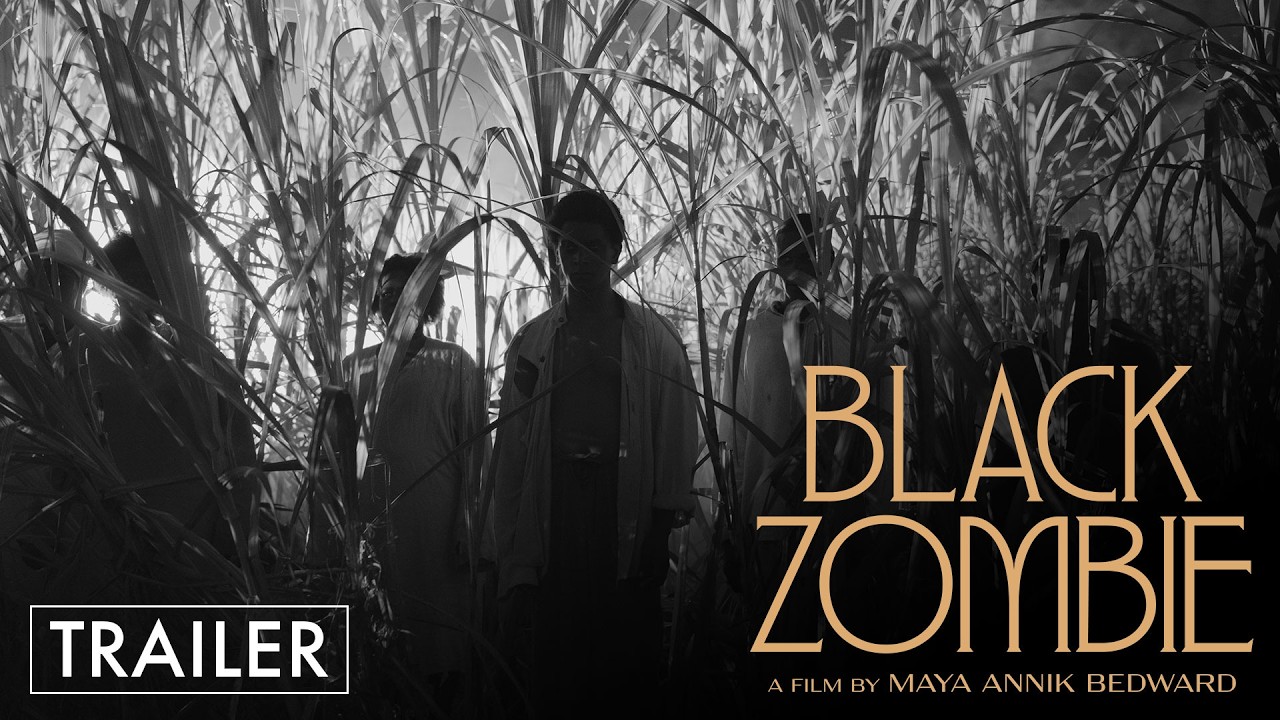
The theatrical release of Maya Annik Bedward’s documentary Black Zombie is set to begin next month, bringing a film that has already screened at major festivals to wider audiences. Kino Lorber announced the distribution plan alongside the debut of the movie’s first trailer. The official opening date is September 11, with initial screenings scheduled for theaters in New York City and Los Angeles. This marks the transition from festival circuit to commercial exhibition for a project that has been building momentum through its selection at SXSW Film Festival 2026, Hot Docs 2026, Fantasia International Film Festival, and the Black Star Film Festival 2026.
The documentary addresses the historical roots of the zombie figure, moving beyond contemporary horror tropes. According to the official synopsis provided by The Film Stage, Black Zombie digs beneath the blood-soaked spectacle of modern horror to uncover the zombie’s buried and unsettling origins. The film posits that long before the creature became associated with flesh-eating ghouls in popular media, it served as a living metaphor for slavery. In this historical context, the zombie was not a monster but the ultimate victim of colonial power.
This transformation involved the distortion, sensationalization, and erasure of Black spiritual traditions. The documentary describes itself as part cultural reckoning and part horror remix. By tracing this lineage, the film challenges the standard horror interpretation that often ignores these foundational elements.
Critical reception at festivals has focused on the film’s approach to Vodou and colonial history. Jared Mobarak wrote in his review for The Film Stage that the documentary is more than a reclamation of the zombie motif from the knee-jerk response that Night of the Living Dead inhibited. He described Bedward’s work as a reclamation of Vodou from the colonial fear-mongering that used it to demonize Black people worldwide.
The relevance of these themes extends into current social perceptions. The source material notes that in 2026, Haitians are still cautious to admit their connection to Vodou religion. This caution exists alongside persistent outsider beliefs regarding Haiti’s recent hardships. Specifically, there remains an external perception that these difficulties are the result of ancestors making a pact with the Devil. The documentary engages with these lingering stereotypes and their impact on cultural identity.
Kino Lorber has provided the trailer as the primary visual introduction to the film ahead of the September release. No additional release dates or locations beyond New York City and Los Angeles have been confirmed in the current announcement. Details regarding a wider national rollout, international distribution plans, or home media availability have not been disclosed by the distributor or The Film Stage. The focus remains on the initial theatrical window and the thematic content outlined in the synopsis.
The film’s trajectory from festival selection to theatrical release offers horror audiences a chance to engage with its historical arguments in a cinema setting. The verified information confirms the September 11 start date for the two major markets. All further scheduling or marketing updates will depend on subsequent announcements from Kino Lorber. Until then, the trailer and synopsis serve as the definitive guide to the film’s scope and subject matter.